
Managing your dental practice’s online reputation in San Diego
Your online reputation is the front door for new patients in San Diego. A handful of bad reviews can shut the door before they even knock. We deal with this. It’s not rocket science, but it does require a steady hand and an understanding of how online reviews actually influence patient decisions. For dentists, especially those in competitive markets like Downtown San Diego, this is non-negotiable. Think of it as digital hygiene for your practice; you wouldn’t let a patient walk around with tartar buildup, so why let your online presence fester?

The real work behind online review management
Most agencies pitch a “comprehensive reputation solution.” They send automated emails, push for reviews, and maybe flag the occasional negative comment. That’s table stakes. The real value comes from two places: actively mitigating damage and strategically amplifying positive sentiment.
Mitigation means knowing when to fight and when to let go. We had one client whose phone rang three times in the first week after we stepped in, all from responding to a single, nasty Google review that had been ignored for months. That’s not just about making one person happy; it’s about showing thousands of potential patients that you care about feedback.
Amplification is harder. Anyone can ask for reviews. But turning happy patients into proactive advocates? That’s an art and a science. It involves looking at the patient and finding the right touchpoints. We don’t rely on canned scripts. For practices in La Jolla, or even over in Carlsbad, the patient demographic can be quite different, and what works for one might fall flat with the other. You have to adapt.
Beyond the star rating: Understanding sentiment
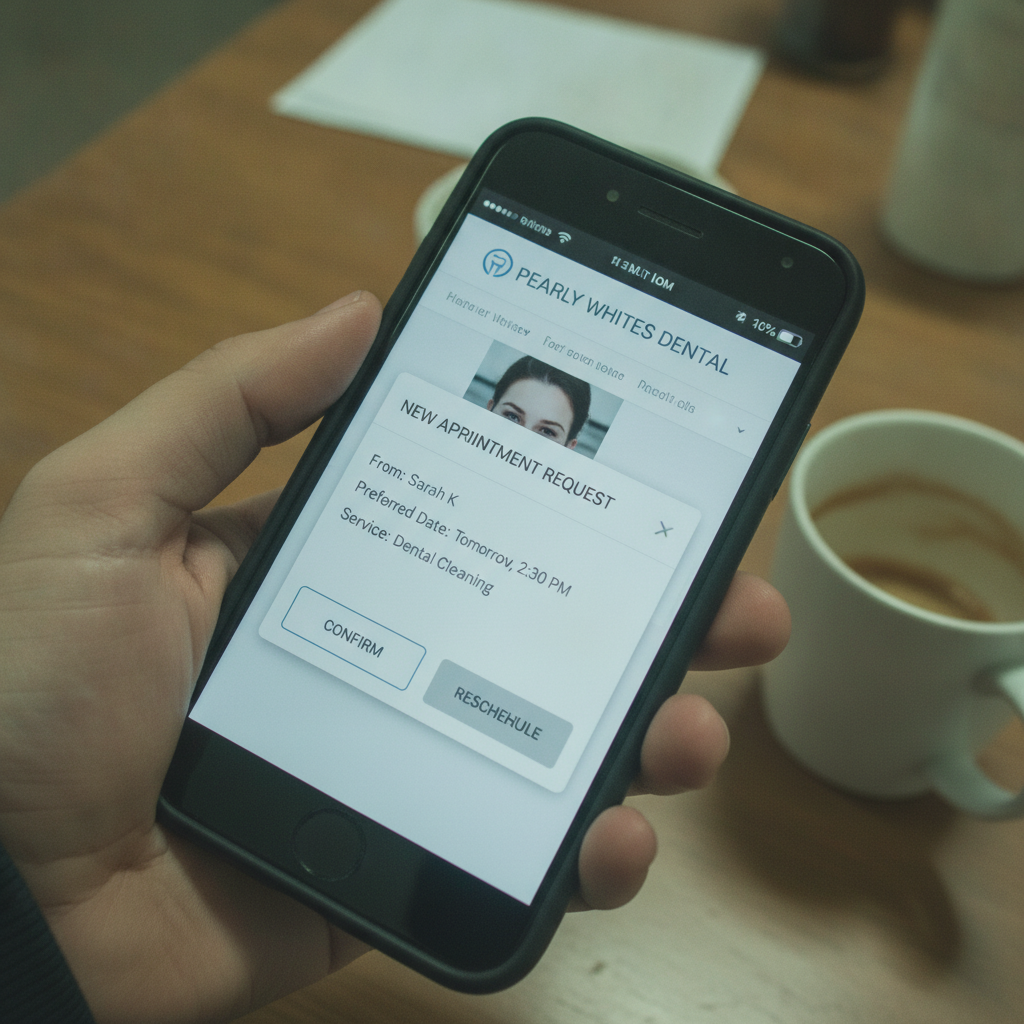
- The content of reviews matters more than the average score.
- A single 3-star review is often more damaging than five 4-star ones.
- Negative reviews offer an opportunity to showcase patient care if handled correctly.
- Word clouds and sentiment analysis can tell you what patients really think.
- Asking for reviews via SMS is generally more effective than email, but varies by demographic.
- We don’t do “review generation” farms. It’s bad for everyone.
- Monitoring mentions across local news sites and blogs is part of it.
- A patient who feels heard, even with a complaint, is less likely to spread negativity.
We track sentiment trends. It’s not just about seeing a score tick up. It’s about understanding why it’s ticking up. Are patients suddenly praising the front desk staff? Is a new associate being highlighted? This granular insight is gold. It feeds back into your practice operations, showing you what’s working and what’s not, far beyond what a simple star average can tell you. We had one dentist in Encinitas who thought their patient education materials were, but reviews consistently mentioned confusion about post-op care. Fixed that, and the reviews improved almost overnight. This is where the local search ranking starts to benefit too.
Generic feedback is often useless. Specificity is key.
Competitors might focus solely on getting more reviews. That’s shortsighted. For practices in Coronado, or anywhere else, we focus on quality and context. You can have 100 five-star reviews, but if 20 of them are vague or look fake, your credibility takes a hit. We’ve seen this happen. Our approach aims for authentic engagement. Real patients, real feedback. It’s doable. Just not cheap.
What to avoid in online reputation
| Common Mistake | Our Approach |
|---|---|
| Ignoring negative reviews entirely | Active monitoring and strategic response. We aim to resolve issues publicly. |
| Automated, generic review requests | Personalized patient outreach at key moments, tailored to your practice. |
| Focusing only on Google Reviews | Monitoring all major platforms: Yelp, Healthgrades, Facebook, etc. |
| Paying for fake reviews | Never. It tanks your credibility and can lead to platform penalties. This is overrated. |
| Waiting for patients to complain | Proactive feedback loops built into your patient experience. |
Trying to game the system with review management software that floods in reviews is a fool’s errand. Search engines and review sites are getting smarter. They can spot artificial patterns. A bunch of reviews hitting your profile all at once from unknown sources? That’s a red flag. We’ve seen practices penalized for this, and recovering from that kind of artificial dip is a nightmare. It’s far better to build a sustainable, authentic stream of feedback. That’s how you build trust in places like Hillcrest, and anywhere else people are looking for a dentist.
If you think you can just outsource the asking and forget about it, you’re missing the point. This work, like reputation management elsewhere, requires a partner who understands the nuances of patient communication and online algorithms. Real retainers in this niche land between $990 and $5,000 a month, depending on the scale and competitiveness of your market. Anything less, and you’re probably not getting the attention your practice deserves.
Common questions about dental reputation management in San Diego California

How quickly can I expect to see changes in my online reputation?
We guarantee measurable impact within six weeks. You’ll see more reviews, and the sentiment will start shifting. Real, sustainable change takes longer, but the initial impact is usually swift.
What if a patient leaves a very unfair negative review?
We assess the situation carefully. If it’s truly unfair, we’ll work to get it removed based on platform guidelines. More often, we’ll craft a professional response that addresses the concern while demonstrating your commitment to patient satisfaction.
Do you only manage Google reviews?
No. We monitor and manage reviews across all relevant platforms where your patients are active, including Yelp, Healthgrades, Facebook, and others. A consistent presence matters.
Can you help us get more positive reviews?
Absolutely. This involves strategic prompts at the right patient touchpoints and ensuring the patient experience itself is review-worthy. It’s about encouraging, not forcing.
What kind of results are typical for San Diego dentists?
Typical growth might be 3-5 new positive reviews per month per platform we manage actively, with a measurable shift in sentiment within two months. It varies, of course.
Is this just about responding to reviews?
Not at all. While responding is critical, effective reputation management also involves proactive outreach, sentiment analysis, and strategic communication to build and maintain trust.
All our dental reputation management · Other services in San Diego California · Get a quote

Back to the homepage.