

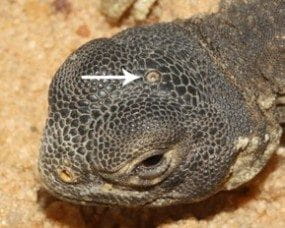
There is an ornate monitor lizard at the zoological garden in Ulm, in southern Germany, that has three eyes. Two of them are where you would expect. The third sits on the crown of its head, under a thin covering of skin and scale. It is a light-sensing organ with a lens and a retina of its own, though it does not form pictures. It tells the animal how bright it is and roughly what time of day it is, and it has been doing that for a very long time.
Biologists call it the parietal eye. In a small number of lizards, frogs and the tuatara, the structure that human beings carry buried inside the skull never travelled inward during development. It stayed on the surface, facing the sky. The human version is the pineal gland, and reading light is what it was built for. Almost everything else in this conversation, from the chakra traditions to the frequency playlists, sits on top of that one fact.
The gland is named after a symbol, not the other way round
The pineal gland takes its name from its shape. Five to eight millimetres long in an adult, reddish grey, pointed at one end, it looks like a pine cone. Galen, writing in the second century, could not work out what it was for and assumed it was structural padding, so he called it konarion, small cone. Latin turned that into pinealis, and the name has outlived the misunderstanding by a very long way.
Which raises a question worth asking. The pine cone is one of the oldest recurring symbols in the ancient world. It appears in Assyrian reliefs, held by winged figures. It crowns the thyrsus carried in the rites of Dionysus. It shows up on Roman funerary art. And it is the most conspicuous single object at the Vatican, in the sense that you cannot walk through the Cortile della Pigna without meeting it.
That bronze pine cone stands nearly four metres high and once spouted water from the top. It began near the Pantheon, beside the Temple of Isis, and was moved to the courtyard of the old St Peter’s during the Middle Ages before being moved again, in 1608, to the niche it now occupies. The courtyard takes its name from it. The two bronze peacocks flanking it are copies of the pair that decorated the tomb of the Emperor Hadrian.
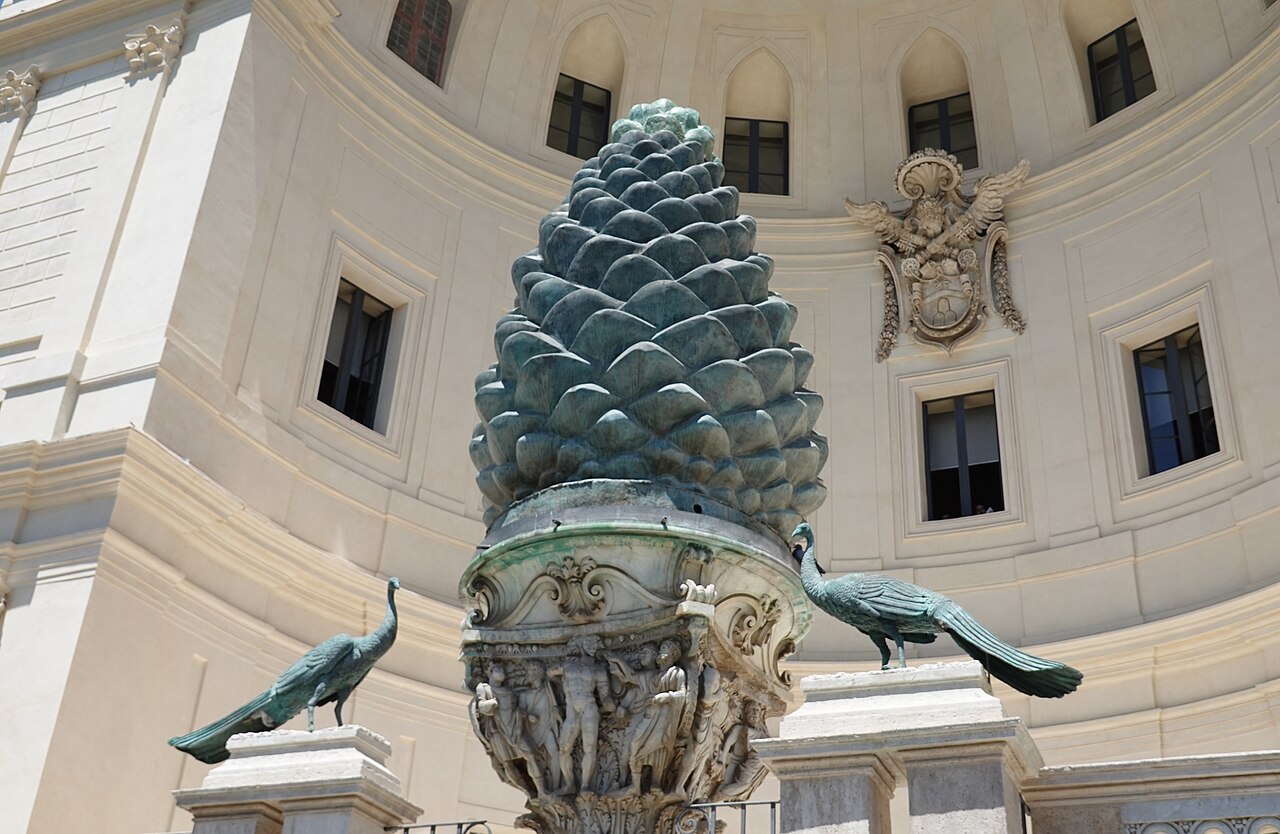
You will find modern writers stating that the Vatican statue encodes the pineal gland, that the Church has been sitting on the third eye secret for centuries. What is true is smaller and harder to sell. The sculpture is Roman, and the gland was not named in European medicine until Galen, so nobody carving that cone was working from anatomy. The shape simply recurs across cultures that had no contact with one another, which is what symbols do when they point at something people keep noticing.
The pine cone, the third eye and the practice built on them
The thread runs from the ancient world to a seated practice that takes about seven minutes, start to finish.
What the gland actually does
The gland sits near the centre of the brain in the epithalamus, in a groove where the two halves of the thalamus meet. About the size of a grain of rice. Its job is melatonin. It takes serotonin and converts it, and the melatonin released on that cycle is one of the main signals your body uses to set sleep timing and hold a circadian rhythm. Not a small job. Body temperature, digestion, hormone release and how sharply you think at ten in the morning all lean on whether that rhythm is steady.
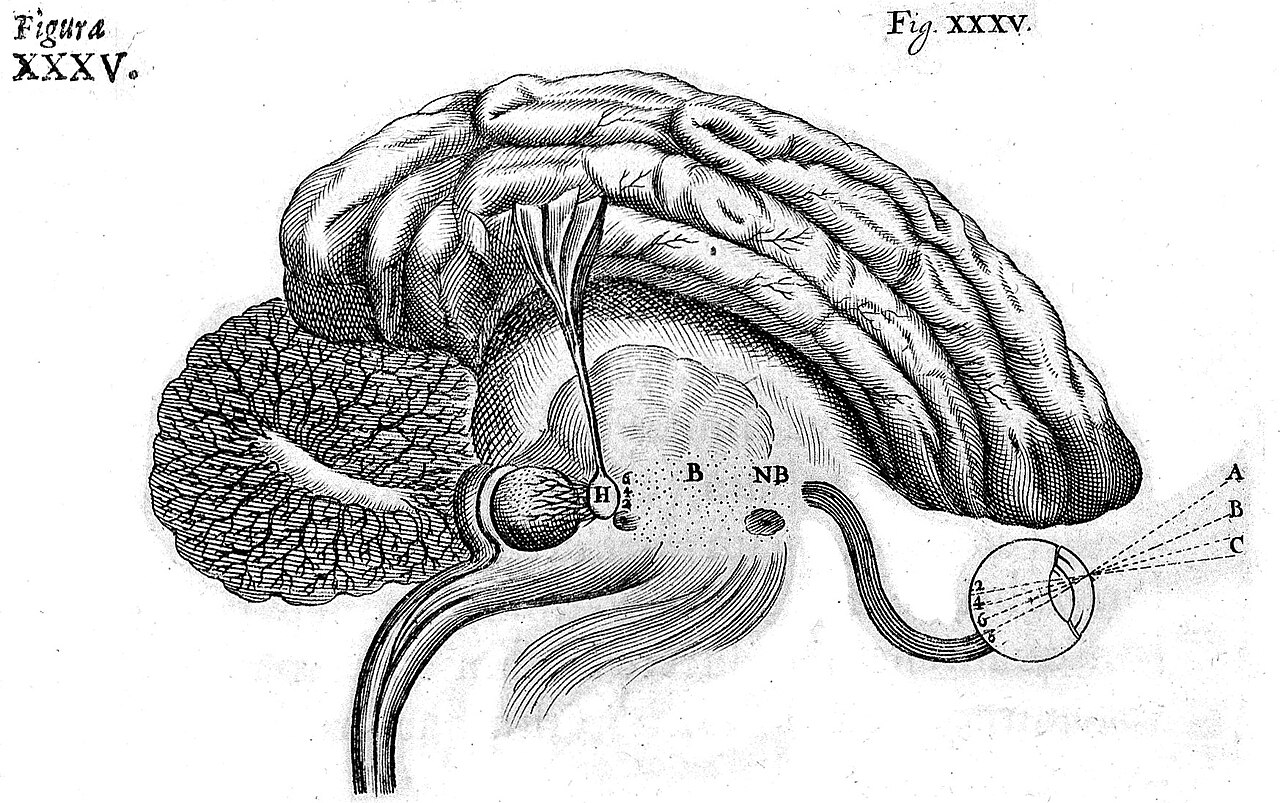
René Descartes turns up in this story more often than people expect. He proposed the gland as the meeting point of mind and body and called it the principal seat of the soul, partly because it was the only structure he could identify in the brain that was not duplicated left and right. His anatomical diagrams were published after his death in the 1660s, and they are careful work. They show a real observation being asked to carry an argument it could never hold up.
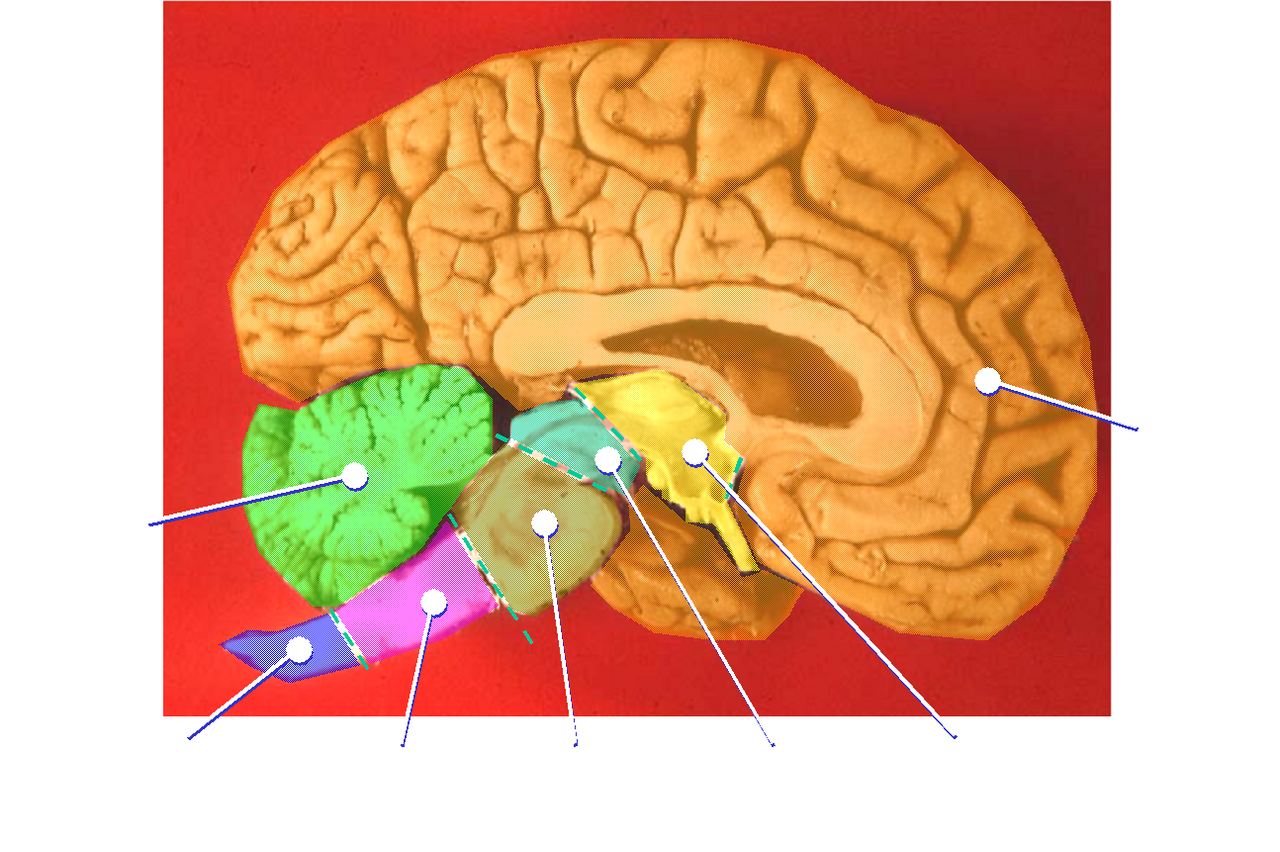
It is worth noticing what Descartes was reaching for, because it is the same thing the older traditions were reaching for. Every account of this gland, ancient or modern, is an attempt to explain how a physical object relates to experience. The gland became the place people pointed at when they wanted to say: this is where the inner life touches the body.
Where the third eye idea comes from
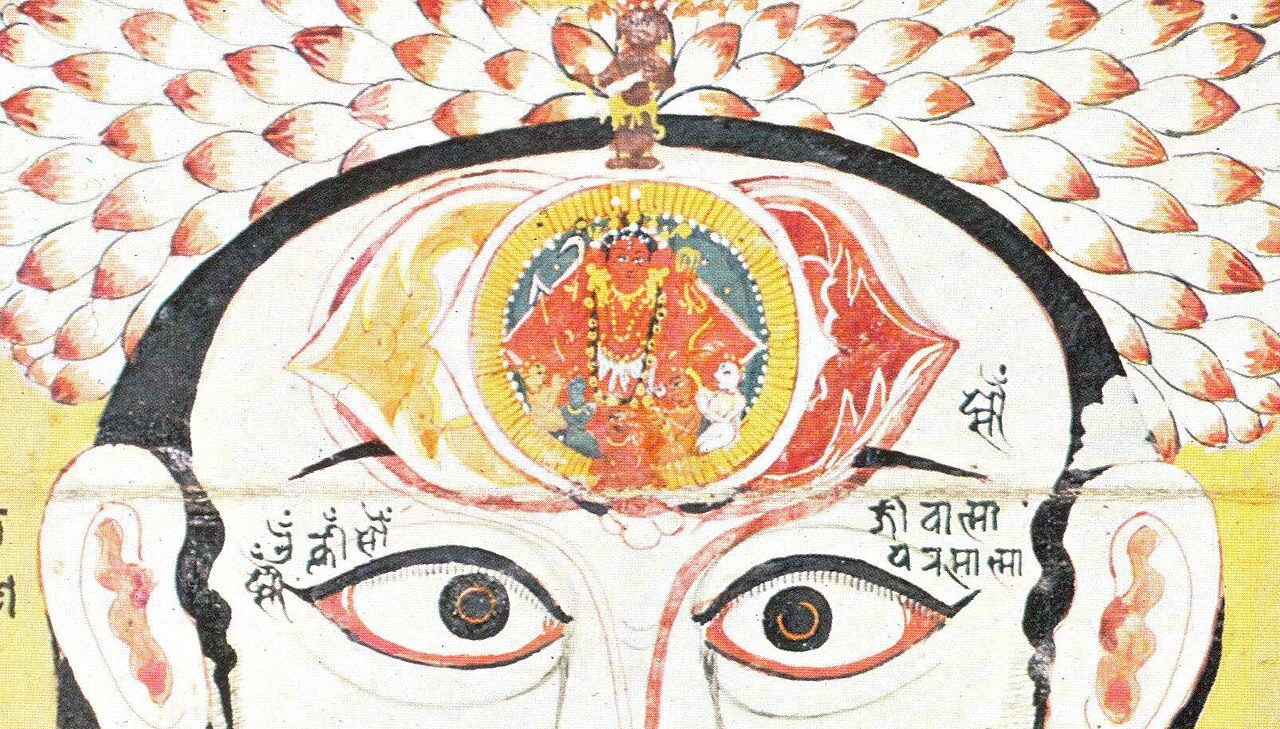
In Hindu tradition the brow centre is the ajna chakra, the sixth of the primary chakras. Ajna translates roughly as command, or perceive. It is placed in the middle of the forehead, a little above the meeting of the eyebrows, and the tilaka worn there is a mark of recognition rather than a map reference. Yogic texts describe it as the eye of intuition and intellect, and its associated sense organ is the mind.
Buddhist tradition carries related but distinct ideas. The divine eye, divyacakṣus, is one of the higher knowledges said to follow from advanced meditation, and it is understood as perception beyond ordinary sight rather than anything physical. Christian contemplative writing reaches for the same territory with different words, talking about the eye of the heart as the faculty that pays attention when the surface mind has gone quiet. Egyptian art returns to the eye as a sign of wholeness and protection, painted on coffins and carved over doorways.
None of those traditions knew about melatonin, and none of them had a gland in mind. What they had was a shared observation: attention, held steadily and turned inward, produces a different quality of seeing. Pointing at the brow is a very old habit. Reading the gesture as anatomy is a modern one, and it is where a lot of the confusion starts.
The calcification question
Search for pineal activation and you will meet the word calcification quickly, usually with a warning about fluoride attached. The more careful version is less dramatic and more useful. The gland does tend to gather calcium deposits with age, and it is one of the earliest places in the body where that shows up. On a scan it can be conspicuous. In the large majority of people it is also incidental, and radiologists use pineal calcification as a midline landmark rather than a diagnosis.
The fluoride thread traces back to research by Jennifer Luke at the University of Surrey, who found fluoride deposition in aged human pineal tissue. That finding is real. The leap from it to fluoride hardening the gland and shutting down your intuition is not, and nothing in the literature shows that changing your water supply or taking a supplement reverses pineal calcification. If looking after the gland is the goal, the evidence points somewhere less exotic.
The lever that does move the needle
Light. The gland is a light-sensitive organ, and it is wired to your eyes through a pathway that runs from the retina to a cluster of cells in the hypothalamus, which then signals the gland. Bright light in the evening delays melatonin release and pushes the body clock later. Light in the morning pulls it earlier and anchors the rhythm to the day. This is the part of pineal work that produces measurable change in measurable time, and it costs nothing.
- Get daylight into your eyes within an hour of waking. Ten to twenty minutes outdoors beats any lamp, even on a grey morning.
- Dim the last hour before bed. If that hour involves a screen, cut the brightness hard and keep the lamp out of your eyeline.
- Make the bedroom properly dark. Blackout matters more than the mattress does.
- Keep sleep and wake times regular. The gland responds to timing more than to duration.
People who practise activation describe a pressure at the brow, vivid dreams and a clearing of mental fog. It is worth saying plainly that sleep changes produce that same list on their own. Restore the light signals and dream recall tends to sharpen inside a fortnight, because recall depends on waking out of REM and REM timing depends on the clock you have just steadied. That does not make the practice worthless. It makes it more interesting, because it means a good part of what gets attributed to the pineal has a mechanism you can point at.
Why a fixed sequence beats an open-ended sit
The presentation explains why it runs to a set length rather than leaving you to decide when to stop.
Sound, and the question of seven minutes
The Solfeggio frequencies, 963 Hz for the crown and 528 Hz for love and repair, are usually presented as an ancient set recovered from a lost tradition. The syllables are old. Sol and fa come from a medieval hymn to John the Baptist, and Guido of Arezzo was using the six syllables of the hexachord for sight singing in eleventh century Italy. The frequencies sold alongside them are a much later construction, assembled in the 1970s and given their names retrospectively. There is no clinical literature behind the specific numbers, and no study showing that 963 Hz does something to the pineal that 900 Hz would not.
What is real is that slow rhythmic sound moves a body. A singing bowl, a low drone or a paced drum will slow your breathing if you let it, and slow breathing raises vagal tone and brings heart rate down. That is well established, and it is the mechanism behind the calm people notice in a sound bath.
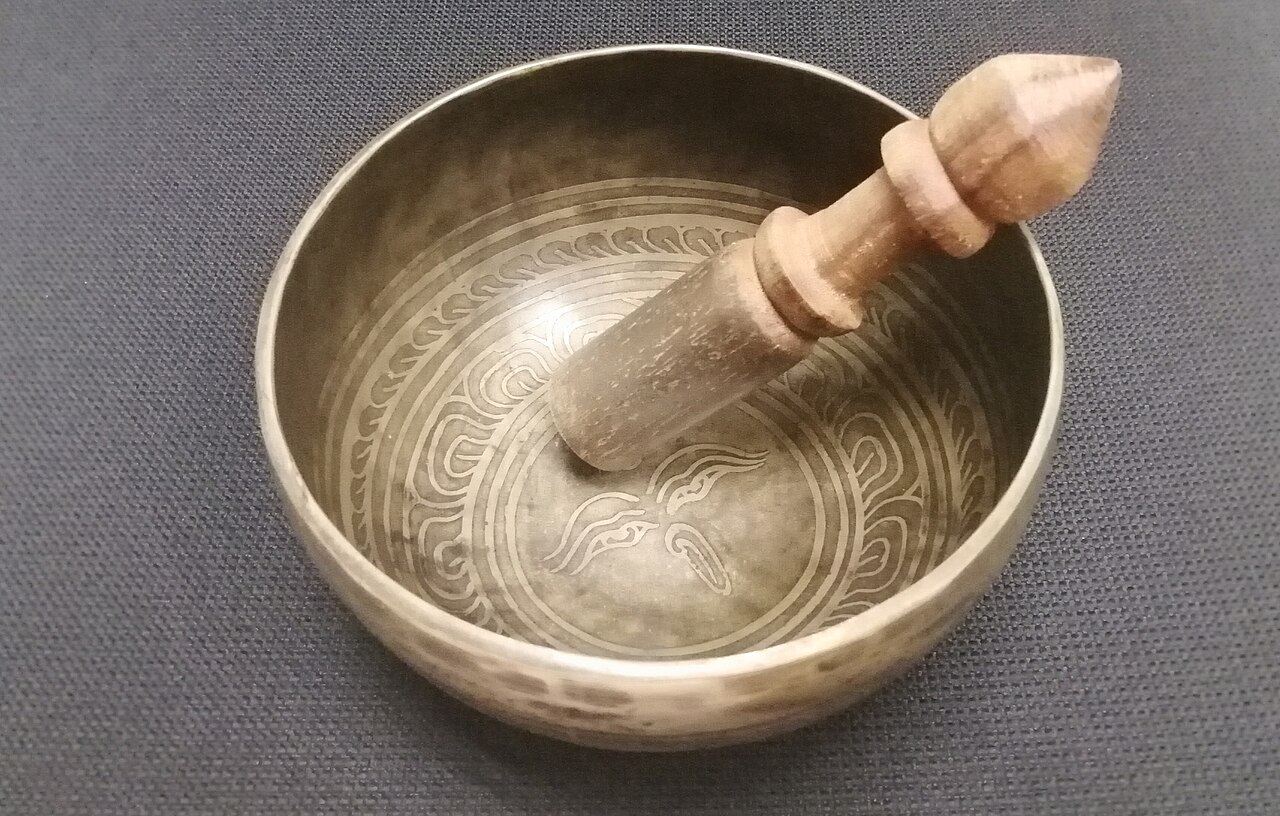
The length matters more than the frequency, and this is the part most playlists get wrong. An open-ended meditation asks you to decide when to stop, which leaves the mind negotiating with itself the whole way through. A fixed piece of audio running seven or eight minutes gives you a start, a middle and an end. You sit down, you follow it, it finishes. That structure is why a set sequence gets repeated and a vague intention does not, and repetition is where any of this starts to work.
The abundance question, made in full
The wealth claim is the part everyone argues about. Watch it and judge it yourself.
The abundance claim, held up to the light
So where does manifestation come in? In its usual form the claim is that an active gland raises your personal frequency and makes it easier to align your thoughts with what you want to receive. Some versions go further and describe the gland as the seat of a spiritual faculty that pulls wealth and opportunity toward you once it is switched on. That is a metaphysical statement, and nobody can test it.
What can be tested is what happens when a person spends twenty minutes a day deliberately directing attention at an outcome. The results there are not trivial. Regular visualisation and intention setting sharpen goal salience, which changes what you notice and which openings register as openings. They lift self efficacy, which changes how persistently you act after a setback. They force a plan into shape, because it is difficult to hold an outcome in mind for twenty minutes without starting to think about the steps. None of that needs a metaphysical mechanism, and all of it produces outcomes that people reasonably describe as manifestations.
There is a body of writing that sits in this middle ground instead of at either extreme. A good example is the work published at Message of Manifestation, which treats the practice as something to be done carefully and repeatedly rather than something to be bought and switched on. That framing is closer to the evidence than either the hype or the sneering, and it is the reason the presentation linked below is worth watching with your guard up rather than down.
Where to start, if you want the guided version
No equipment, no subscription. The presentation walks through the sequence in order.
Putting it into practice
This is the order that makes sense physiologically. Light first, because it sets the clock. Then breath, then attention, then a written record.
- Fix the light before adding anything else. Morning daylight, dim evenings, dark room. Give it two weeks on its own.
- Pick a time and keep it. Same seat, same hour, five days out of seven. Regularity is doing more work here than intensity.
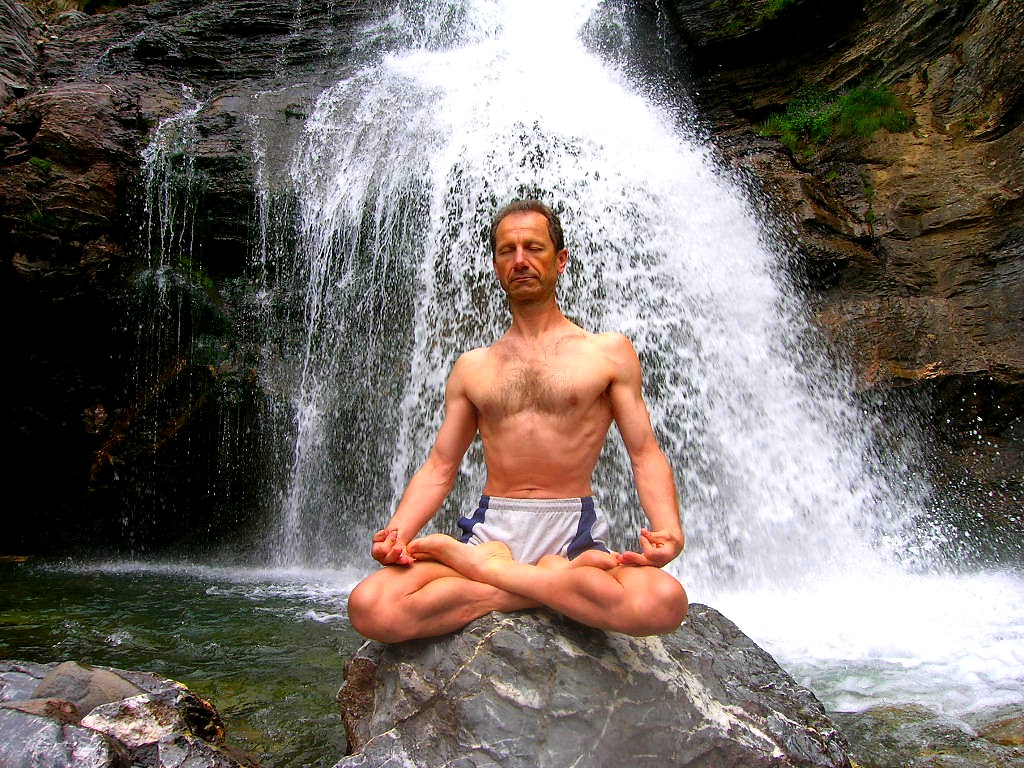
- Sit for ten to twenty minutes. Breathe slowly enough to count four in and six out, which lands most people near five breaths a minute.
- Rest your attention at the brow. Not to force anything open, but because a fixed point gives a wandering mind somewhere to come back to. The pressure people feel there is usually the frontalis muscle working, and it eases as the face lets go.
- Write down what you noticed. Dreams, moods, decisions that came easier. This is the step that turns a pleasant feeling into a practice.
Give it six weeks before you judge it, and longer if your sleep has been poor for years, because a clock that took years to drift does not reset in a fortnight.
What not to expect
The gland is not a radio. It does not broadcast intentions, and there is no measurement anywhere showing that a person’s manifesting becomes more effective after any specific intervention on it. Anyone selling certainty on that point is selling something else. What the tradition describes, when it is described well, is a quality of attention: quiet, awake, undivided, held long enough to change what a person does next. That state is available to anybody, it responds to training, and the pineal gland is a reasonable thing to point at while you train it, because it is the part of you that never stopped listening for the light.
This article is for information only and is not medical advice. If you have a sleep disorder, take medication that affects sleep or mood, or are thinking about a supplement or a dietary change for a health reason, speak to a doctor or pharmacist first. For medical advice or a diagnosis, consult a professional.
Disclosure: some of the links in this article are affiliate links. If you buy through them, this site may earn a commission at no extra cost to you.